Systems Engineering Heritage

Systems Innovation Lineage

A practitioner archive deconstructing how foundational physical, mathematical, and algorithmic breakthroughs shaped modern distributed systems, observability, and enterprise architectures. Curated by Dr. Shashwat Bishwen.
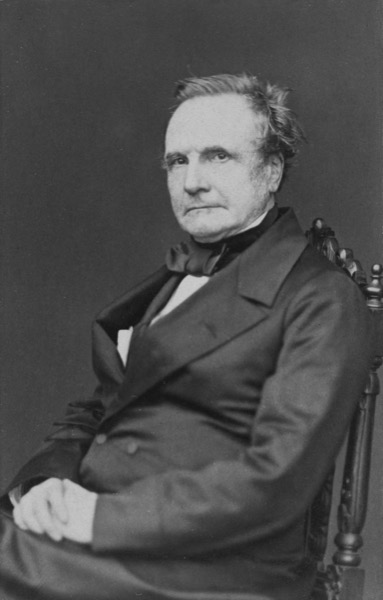
Historical portrait of Charles Babbage
Charles BabbageComputing & Software Systems
1837 (19th century)
Analytical Engine mechanical general-purpose computer

Separating state storage from execution logic is the foundational design pattern of all durable computing architectures.
United KingdomRead Systems Analysis →
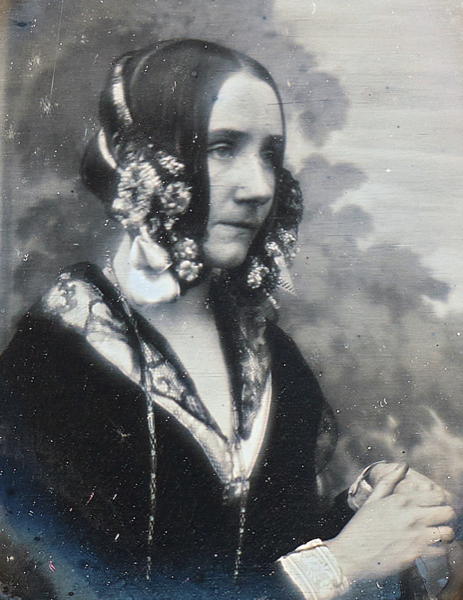
Historical portrait of Ada Lovelace
Ada LovelaceComputing & Software Systems
1843 (19th century)
First published computer algorithm and symbolic computation theory

Software begins when the engineer realizes the execution engine can manipulate arbitrary relationships, not merely numbers.
United KingdomRead Systems Analysis →
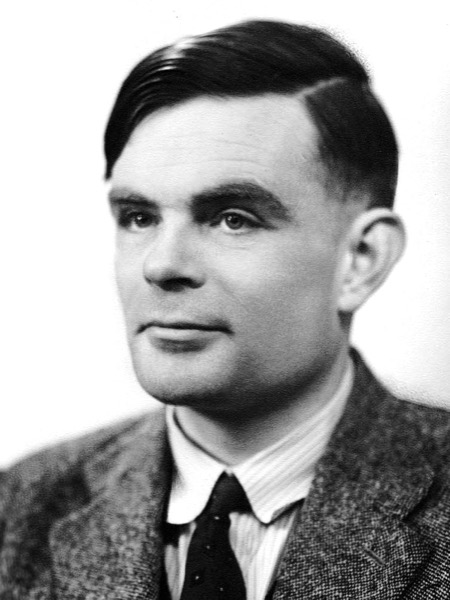
Historical portrait of Alan Turing
Alan TuringComputing & Software Systems
1936-1950
Universal Turing Machine, Halting Problem, and Cryptanalytic Bombe

Because the Halting Problem proves static verification cannot guarantee runtime termination, systems must enforce runtime timeouts, circuit breakers, and bounded state transitions.
United KingdomRead Systems Analysis →
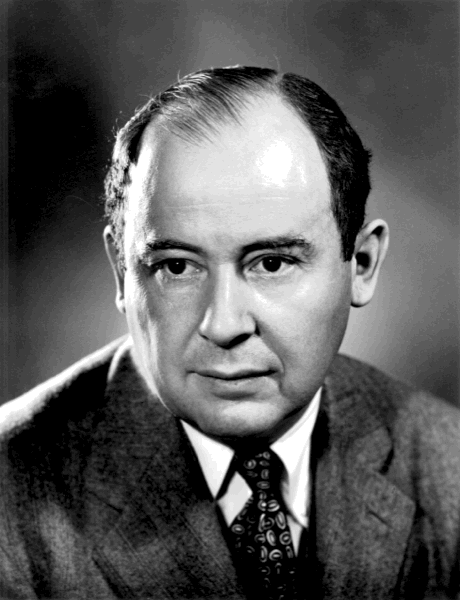
Historical portrait of John von Neumann
John von NeumannComputing & Software Systems
1945
Stored-program computer architecture (EDVAC report), Game Theory, Cellular Automata

When compute processing speed outpaces data bus throughput, the transmission channel between memory and processor becomes the sole determinant of system latency.
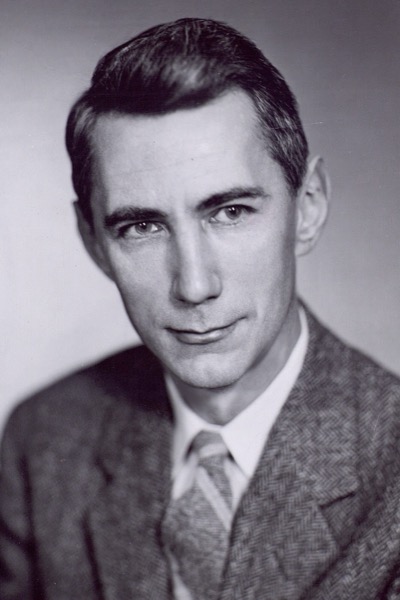
HungaryRead Systems Analysis →
Historical portrait of Claude Shannon
Claude ShannonTelecommunications & Networks
1937-1948
Information Theory, Boolean logic circuit design, channel capacity theorem

More data transmission does not equal more comprehension; when observability telemetry is unfiltered, channel noise drowns out genuine failure signals.
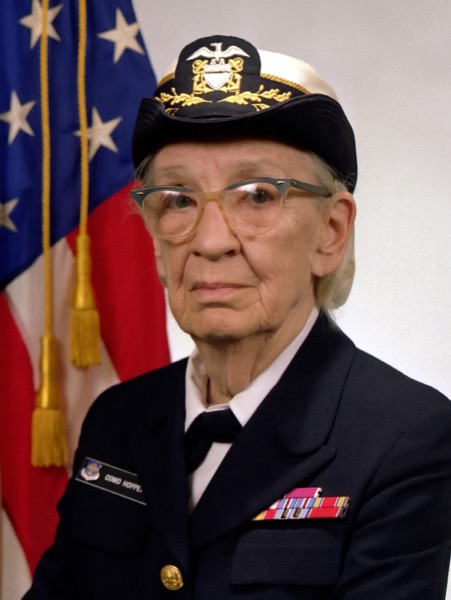
United StatesRead Systems Analysis →
Historical portrait of Grace Hopper
Grace HopperComputing & Software Systems
1952-1959
A-0 compiler, human-readable programming languages, and COBOL development

Software systems outlive the hardware they run on; standardizing declarative human-readable interfaces protects institutional logic from physical obsolescence.
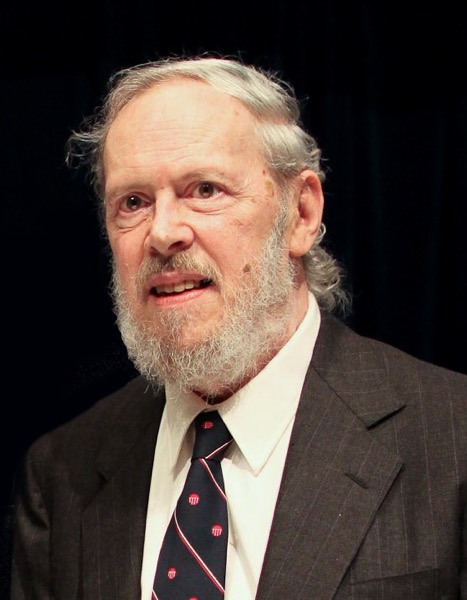
United StatesRead Systems Analysis →
Historical portrait of Dennis Ritchie
Dennis RitchieComputing & Software Systems
1969-1973
C programming language and Unix operating system

Minimalist abstractions with direct memory awareness outlast complex conceptual frameworks because they give engineers predictable mechanical control.

United StatesRead Systems Analysis →
Historical portrait of Ken Thompson
Ken ThompsonComputing & Software Systems
1969-1992
Unix operating system, B language, regular expressions engine, UTF-8, and Go

Composing small programs that do one thing well via plain-text streams creates resilient systems that scale without monolithic lock-in.

United StatesRead Systems Analysis →
Historical portrait of Linus Torvalds
Linus TorvaldsComputing & Software Systems
1991-2005
Linux operating system kernel and Git distributed version control system

Pragmatic monolithic designs with zero-overhead memory access frequently outperform theoretically pure microkernels in production workloads.
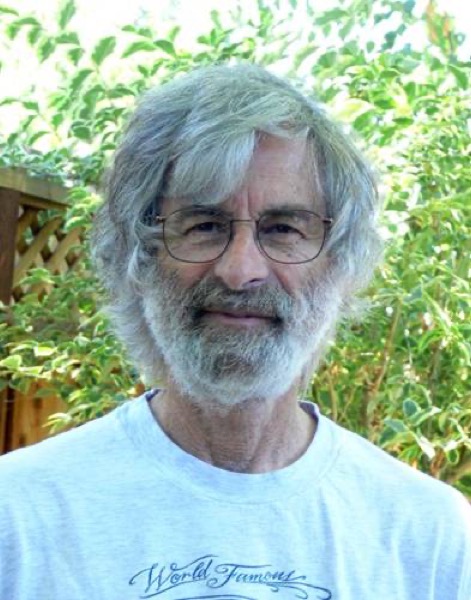
FinlandRead Systems Analysis →
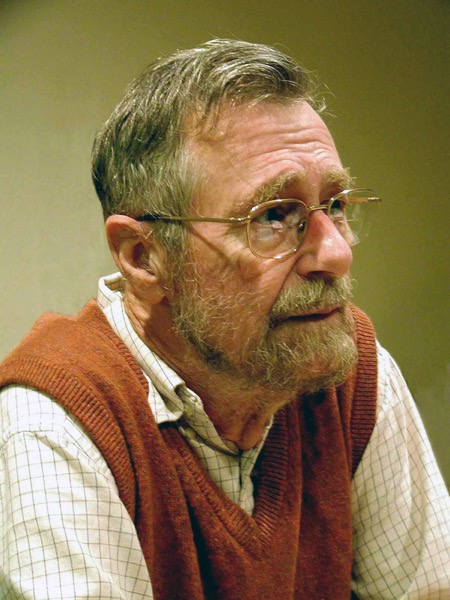
Historical portrait of Leslie Lamport
Leslie LamportComputing & Software Systems
1978-1998
Lamport timestamps, Paxos consensus algorithm, Byzantine Fault Tolerance, TLA+

Physical time cannot be trusted in distributed systems; correctness requires partial ordering established by logical event causation rather than hardware clocks.
United StatesRead Systems Analysis →
Historical portrait of Edsger Dijkstra
Edsger DijkstraComputing & Software Systems
1959-1968
Shortest path algorithm, semaphore concurrency primitive, structured programming

Testing can show the presence of bugs, but never their absence; structural correctness must be designed into the architecture from first principles.

NetherlandsRead Systems Analysis →
Historical portrait of Donald Knuth
Donald KnuthComputing & Software Systems
1968-1984
The Art of Computer Programming, TeX digital typesetting, LR parsing, Knuth-Morris-Pratt

Premature optimization is the root of all evil; measure real production bottlenecks before re-architecting systems based on theoretical complexity.

United StatesRead Systems Analysis →
Historical portrait of Margaret Hamilton
Margaret HamiltonSystems Reliability & Engineering
1968-1969
Apollo guidance flight software, asynchronous priority executive, defensive programming

When a critical system experiences saturation under unforeseen telemetry overload, it must automatically shed low-priority tasks and preserve core mission invariants.
United StatesRead Systems Analysis →
Historical portrait of Paul Baran
Paul BaranTelecommunications & Networks
1964
Distributed communication network architecture and packet switching concepts

Centralized and decentralized networks possess systemic failure nodes; only fully distributed mesh topologies can survive localized component destruction.

PolandRead Systems Analysis →
D
Donald DaviesTelecommunications & Networks
1965-1966
Coined packet switching and developed the Mark I packet network at NPL

Fixed-duration circuit reservation wastes bandwidth; statistical multiplexing with standardized packet units maximizes link utilization under bursty workloads.
United KingdomRead Systems Analysis →
Historical portrait of Vint Cerf
Vint CerfTelecommunications & Networks
1974
TCP/IP transmission control protocol and Internet architecture

Network intermediaries should remain simple packet forwarders; state tracking, flow control, and error recovery belong at the network endpoints.

United StatesRead Systems Analysis →
Historical portrait of Bob Kahn
Bob KahnTelecommunications & Networks
1972-1974
TCP/IP architecture and open-architecture internetworking model

Open protocols with clear abstraction boundaries survive proprietary vendor lock-in because they allow any new technology to join the network as a peer.

United StatesRead Systems Analysis →
Historical portrait of Radia Perlman
Radia PerlmanTelecommunications & Networks
1985
Spanning Tree Protocol (STP) and TRILL protocol

Redundant network physical connections provide resilience, but without an active distributed loop-pruning algorithm, broadcast packets cause immediate systemic collapse.
United StatesRead Systems Analysis →
Historical portrait of Robert Metcalfe
Robert MetcalfeTelecommunications & Networks
1973
Ethernet local area network (LAN) and Metcalfe law

When multiple uncoordinated nodes contend for a shared transmission medium, exponential backoff with random jitter prevents permanent collision deadlocks.

United StatesRead Systems Analysis →
N
Narinder Singh KapanyTelecommunications & Networks
1953-1960
Fibre optics, low-loss optical waveguides, and endoscopic medical imaging

Physical layer physics ultimately bounds software architecture; without light-speed total internal reflection, distributed global consensus across continents is impossible.
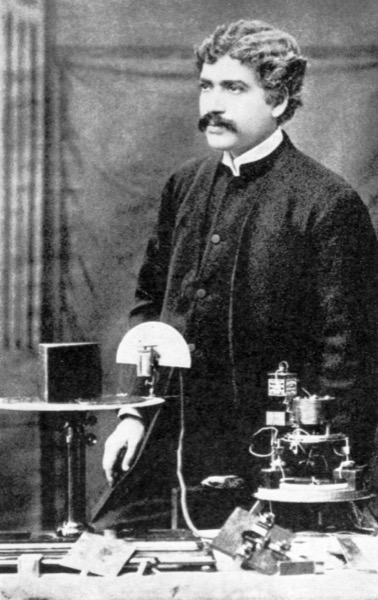
IndiaRead Systems Analysis →
Historical portrait of Jagadish Chandra Bose
Jagadish Chandra BoseIndian Deep-Tech & Space Systems
1895-1901
Millimetre-wave microwave optics (60 GHz), semiconductor crystal detector, and crescograph

True technological leaps often emerge by repurposing high-frequency physics at empirical fringes where conventional consensus assumes signal propagation is impossible.
IndiaRead Systems Analysis →
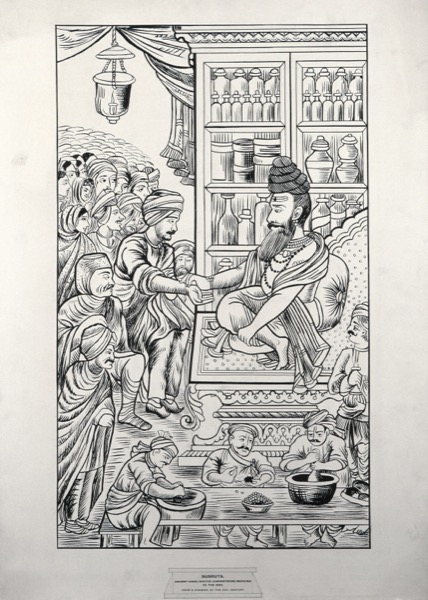
Historical portrait of Sushruta
SushrutaMedicine & Clinical Systems
c. 600 BCE
Sushruta Samhita, systematic rhinoplasty flap surgery, over 120 surgical instruments

High-risk interventions succeed through rigorous procedural checklists, dedicated purpose-built tooling, and clear anatomical separation of concerns.
IndiaRead Systems Analysis →
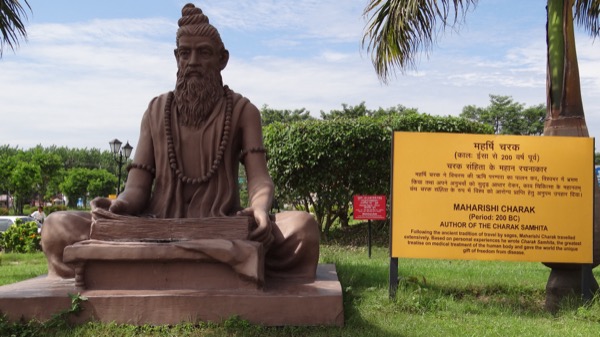
Historical portrait of Charaka
CharakaMedicine & Clinical Systems
c. 300-200 BCE
Charaka Samhita, systemic physiology, internal medicine, and disease etiology

Treating isolated symptoms without understanding the biological equilibrium of the whole organism guarantees chronic systemic relapse.
IndiaRead Systems Analysis →
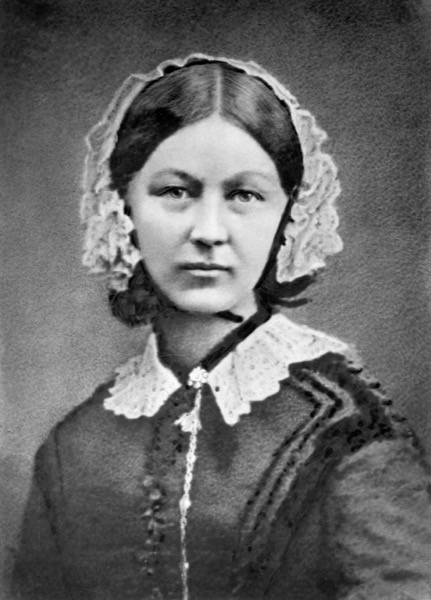
Historical portrait of Florence Nightingale
Florence NightingaleMedicine & Clinical Systems
1854-1858
Evidence-based hospital sanitation, polar area diagram (coxcomb), and epidemiological telemetry

Data visualization is an instrument of persuasion; presenting objective telemetry clearly dismantles entrenched institutional complacency.
United KingdomRead Systems Analysis →
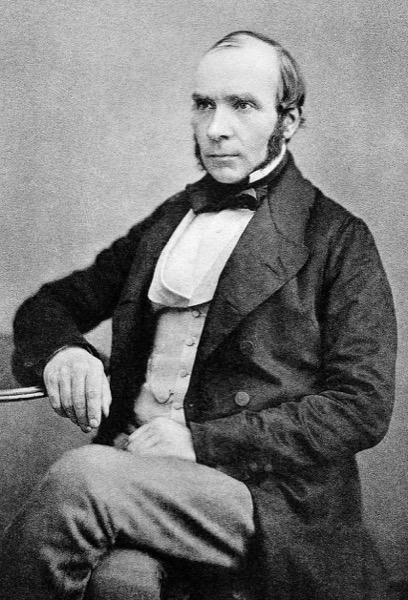
Historical portrait of John Snow
John SnowMedicine & Clinical Systems
1854
Epidemiological spatial mapping and source tracing of the 1854 Broad Street cholera outbreak

When an organization blames vague environmental factors (miasma) for recurring failures, plot the spatial coordinates to isolate the single corrupt upstream source.
United KingdomRead Systems Analysis →
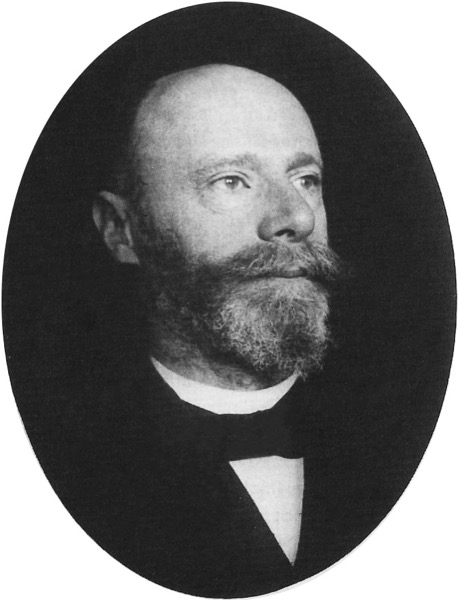
Historical portrait of Willem Einthoven
Willem EinthovenMedicine & Clinical Systems
1901-1903
String galvanometer and clinical electrocardiography (ECG/EKG)

Complex internal physiological states can be monitored non-invasively if instrumentation is sensitive enough to capture tiny electrical potential differentials.
NetherlandsRead Systems Analysis →
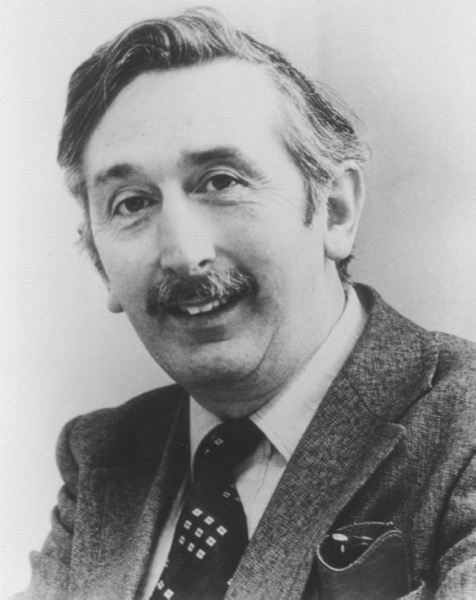
Historical portrait of Godfrey Hounsfield
Godfrey HounsfieldMedicine & Clinical Systems
1971
Computed Tomography (CT) scanning and algebraic tomographic reconstruction

When a direct physical view into an internal system is impossible, take hundreds of multi-angle boundary measurements and reconstruct the internal reality mathematically.
United KingdomRead Systems Analysis →
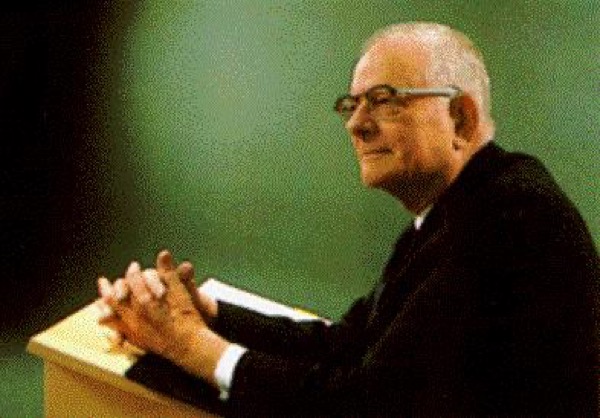
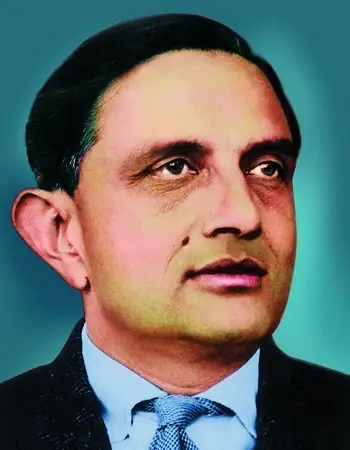
Historical portrait of W. Edwards Deming
W. Edwards DemingSystems Reliability & Engineering
1950s
Statistical Process Control (SPC), 14 Points for Management, PDSA cycle

Over 94% of production failures stem from flawed systemic processes, not worker negligence; punishing individuals rather than fixing systemic processes guarantees recurring outages.
United StatesRead Systems Analysis →
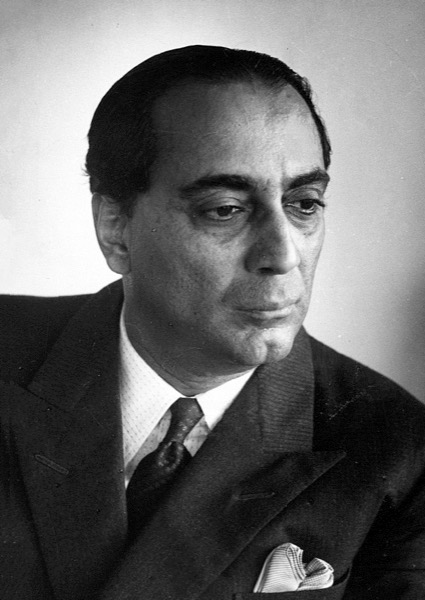
Historical portrait of Vikram Sarabhai
Vikram SarabhaiIndian Deep-Tech & Space Systems
1962-1969
Founded Indian Space Research Organisation (ISRO), PRL, and SITE instructional television experiment

Advanced technology need not wait for widespread national affluence; targeted leapfrog infrastructure can solve foundational societal problems directly.
IndiaRead Systems Analysis →
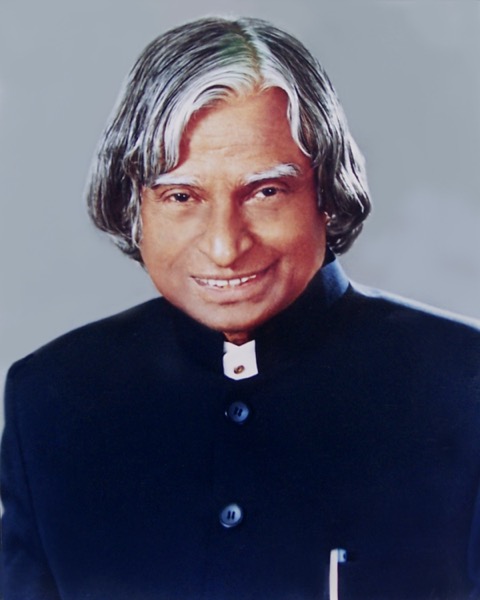
Historical portrait of Homi J. Bhabha
Homi J. BhabhaIndian Deep-Tech & Space Systems
1944-1954
Three-stage nuclear power programme, TIFR, and Bhabha scattering theory

When domestic resources differ fundamentally from global defaults, engineer an architecture from domestic reserves rather than importing foreign fuel dependencies.
IndiaRead Systems Analysis →
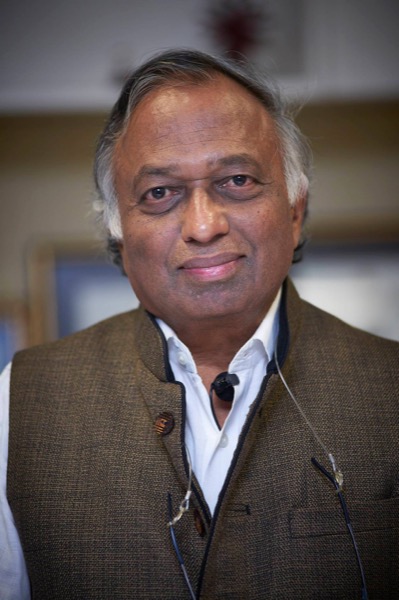
Historical portrait of A. P. J. Abdul Kalam
A. P. J. Abdul KalamIndian Deep-Tech & Space Systems
1970s-1990s
Satellite Launch Vehicle (SLV-III), Integrated Guided Missile Development Programme (IGMDP)

Leadership is absorbing blame when an experimental launch fails, while passing full public credit to the engineering team when the system succeeds.
IndiaRead Systems Analysis →
Historical portrait of Vijay Bhatkar
Vijay BhatkarIndian Deep-Tech & Space Systems
1988-1991
Architected India PARAM 8000 supercomputer at C-DAC

When geopolitical or economic sanctions deny access to proprietary monolithic supercomputers, assemble massively parallel clusters from commodity components.

IndiaRead Systems Analysis →