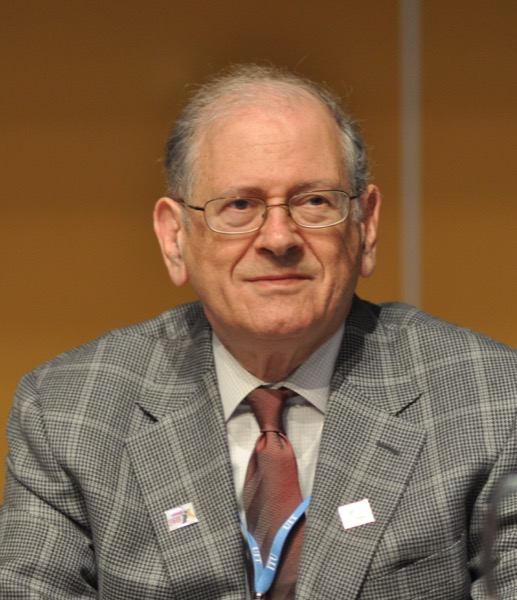
Bob Kahn
TCP/IP architecture and open-architecture internetworking model
“Open protocols with clear abstraction boundaries survive proprietary vendor lock-in because they allow any new technology to join the network as a peer.”
The Architectural Breakthrough
While managing information processing techniques at DARPA in 1972, Robert Kahn recognized that existing networks were walled gardens: each vendor used proprietary signaling and packet formats. Kahn conceived open-architecture networking.
Under Kahn four principles: each distinct network had to stand on its own without internal modifications to join the internet; communication was best-effort; black boxes (gateways/routers) retained no state about individual packet streams; and operational control remained decentralized.
Connected Advisory & Architecture Research
Cross-Disciplinary LineageKahn open-architecture networking model established that disparate networks should interconnect through gateway routers without requiring internal protocol modifications. This paradigm directly governs modern API gateways, hybrid-cloud topologies, and our assessments on Eliminating a Single Point of Failure and Architecture Impermanence.
Attribution & Historical Context
Kahn formulated open-architecture networking at DARPA and co-invented the TCP protocol with Vint Cerf.