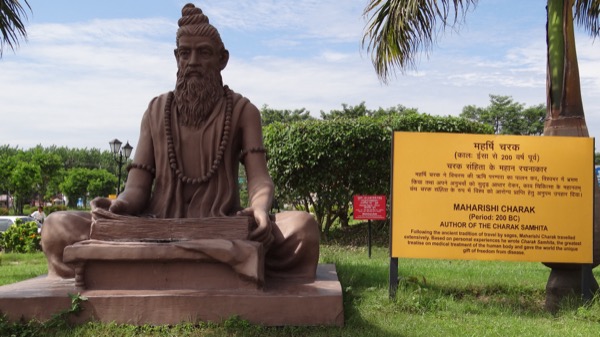
Charaka
Charaka Samhita, systemic physiology, internal medicine, and disease etiology
“Treating isolated symptoms without understanding the biological equilibrium of the whole organism guarantees chronic systemic relapse.”
The Architectural Breakthrough
Charaka transformed early medical thought by asserting that diseases do not stem from supernatural curses, but from physiological imbalances between diet, environmental stress, genetics, and bodily metabolism (the tridosha dynamic equilibrium).
The Charaka Samhita introduced a thorough clinical method: observation (pratyaksha), inference (anumana), and authoritative testimony (aptopadesha). Charaka demanded that a physician assess not just the isolated diseased organ, but the patient digestive capacity, psychological state, and physical habitat.
Connected Advisory & Architecture Research
Cross-Disciplinary LineageCharaka systemic etiology: treating the patient as an interconnected dynamic homeostatic system rather than isolated symptoms, directly maps to holistic distributed systems observability. We apply Charaka holistic diagnostics when solving clinical bottlenecks in The Architecture of Bed Turnover and deploying ambient healthcare structures via VocalEMR.
Attribution & Historical Context
Charaka revised and expanded the earlier treatise of Agnivesha, producing the Charaka Samhita, the foundational text of internal medicine (Kaya Chikitsa).