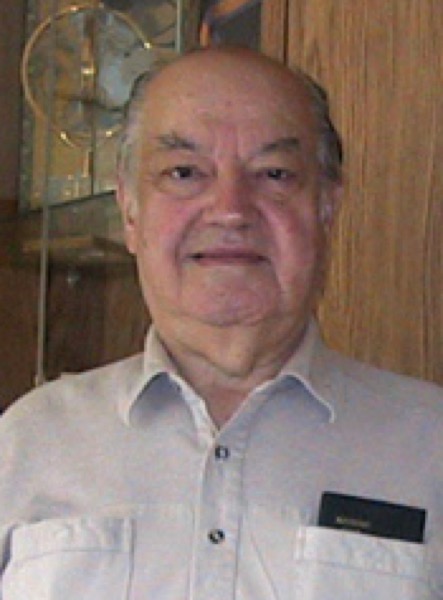
Paul Baran
Distributed communication network architecture and packet switching concepts
“Centralized and decentralized networks possess systemic failure nodes; only fully distributed mesh topologies can survive localized component destruction.”
The Architectural Breakthrough
In 1964 at the RAND Corporation, Paul Baran published On Distributed Communications, commissioned by the US Air Force to design a command network capable of surviving nuclear attack. Baran analyzed three network topologies: centralized (star), decentralized (multi-star), and distributed (mesh).
He demonstrated that centralized networks fail completely when the central hub is severed. Baran introduced message blocks: breaking data into small, self-contained units carrying destination addresses that could navigate dynamically across alternative paths through uncoordinated intermediate nodes.
Connected Advisory & Architecture Research
Cross-Disciplinary LineageBaran decentralized survivable mesh topology proved that catastrophic link failures can be rendered invisible to end users if nodes route packets dynamically. We rely on Baran resilience theorems when advising enterprises on When the Cloud Becomes the Single Point of Failure and performing Disaster Recovery & Single-Provider Reviews.
Attribution & Historical Context
Baran formulated distributed message block switching at the RAND Corporation in 1964; Donald Davies independently coined packet switching at NPL in the UK.