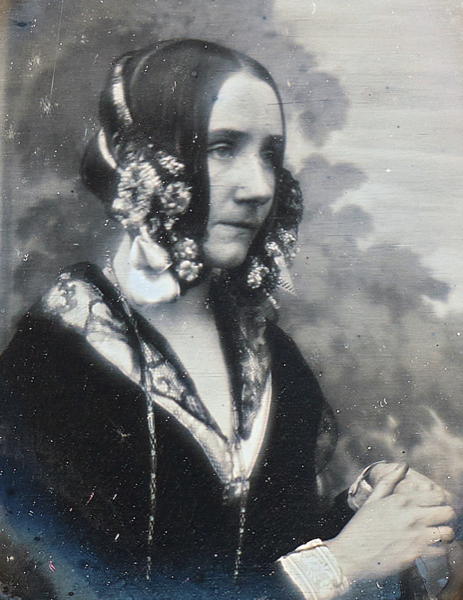
Ada Lovelace
First published computer algorithm and symbolic computation theory
“Software begins when the engineer realizes the execution engine can manipulate arbitrary relationships, not merely numbers.”
The Architectural Breakthrough
In 1843, Augusta Ada King, Countess of Lovelace, published Note G within her commentary on Babbage Analytical Engine. Note G detailed a step-by-step algorithm to generate Bernoulli numbers using looping, conditional branching, and variable tracking tables, establishing the world first published software program.
Beyond the specific algorithm, Lovelace formulated the concept of poetic science. She recognized that if physical properties (such as musical pitches, logic states, or language symbols) could be encoded into operational numbers, the engine could compose elaborate music, analyze graphics, and execute complex symbolic reasoning.
Connected Advisory & Architecture Research
Cross-Disciplinary LineageLovelace realization that physical hardware operates on abstract symbols forms the intellectual premise of modern compilers, domain-specific languages (DSLs), and machine-learning embeddings. When assessing agentic AI liabilities and conducting forensic AI agent audits, her distinction between deterministic symbolic operations and genuine intentionality remains the definitive framework for testing unprecedented systems.
Attribution & Historical Context
Lovelace translated Luigi Menabrea paper on the Analytical Engine and added extensive original Notes, including Note G containing the complete algorithm to calculate Bernoulli numbers.