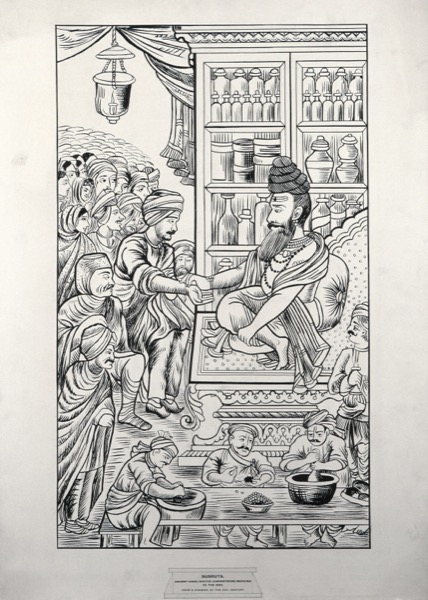
Sushruta
Sushruta Samhita, systematic rhinoplasty flap surgery, over 120 surgical instruments
“High-risk interventions succeed through rigorous procedural checklists, dedicated purpose-built tooling, and clear anatomical separation of concerns.”
The Architectural Breakthrough
Practicing in ancient Varanasi around 600 BCE, Sushruta codified surgery (Shalya Tantra) from an empirical craft into a formal medical science. The Sushruta Samhita details 121 surgical instruments (yantras and shastras), categorized by functional mechanics: forceps, scalpels, trocars, speculums, and needles.
His most famous procedure, the pedicle forehead flap for nasal reconstruction (rhinoplasty), transferred vascularized tissue to reconstruct severed noses. The procedural protocol remained so physiologically sound that British surgeons adopted it in 1794 after observing traditional Indian practitioners, establishing modern plastic surgery.
Connected Advisory & Architecture Research
Cross-Disciplinary LineageSushruta protocolization of surgical procedures, instrument fabrication, and perioperative care established that high-risk interventions demand systematic procedural standardization rather than individual heroics. In modern engineering, we apply this surgical discipline to clinical operations in Collapsing Inpatient Discharge Latency in a 420-Bed Hospital and healthcare simulations with BedTurn.
Attribution & Historical Context
Sushruta taught in Varanasi (Kashi); his teachings were compiled in the ancient Sanskrit medical treatise, the Sushruta Samhita, later translated into Arabic in the 8th century (Kitab-i-Susrud).